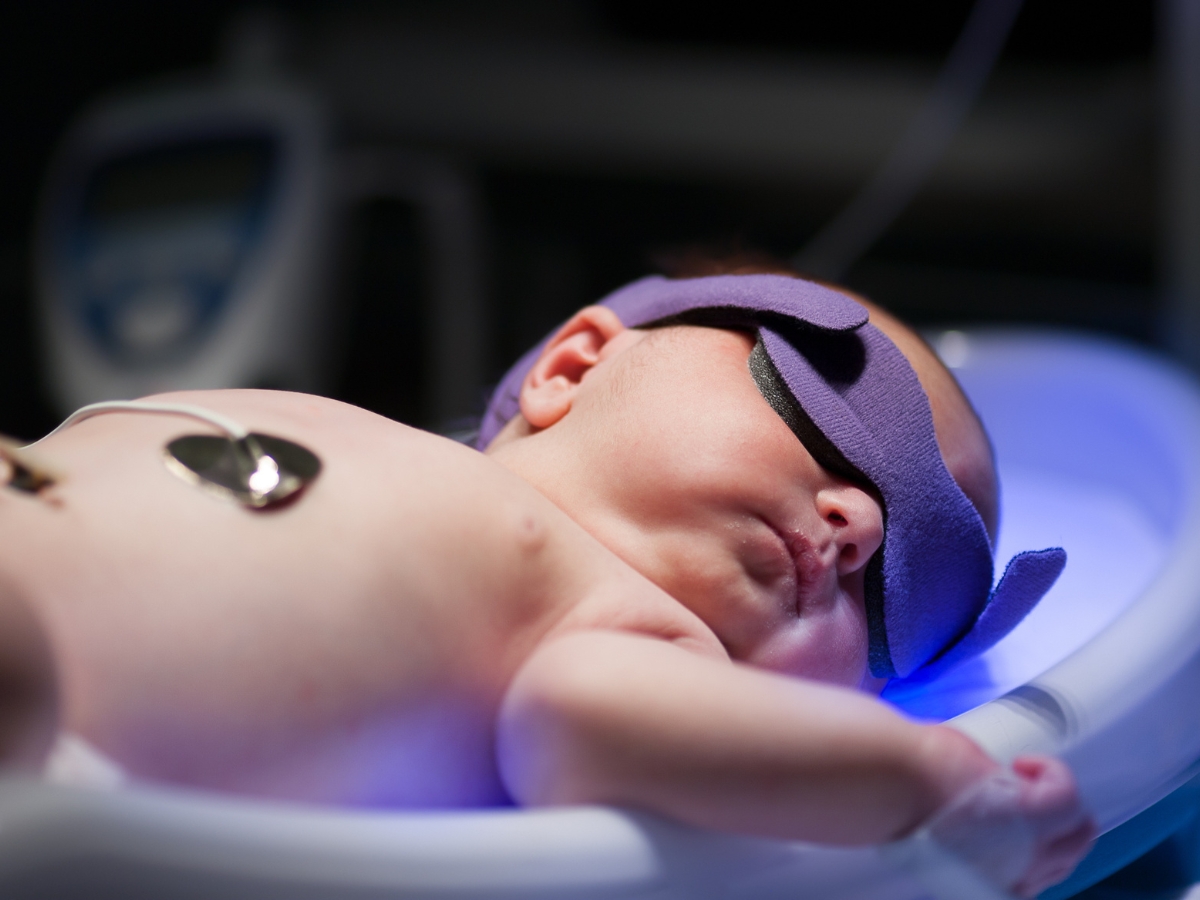

Welcoming a new baby into the world is a beautiful yet overwhelming experience. One of the most important steps to ensure your child’s health is their first newborn check up. This initial visit is not just about measuring and weighing your baby—it’s a vital opportunity to identify any early concerns, provide necessary guidance, and build a relationship with your pediatrician.
In this comprehensive guide, we’ll explain what happens during your baby’s first check up, how to prepare, and why it’s essential for long-term wellness.
Why the Newborn Check Up Matters
The first few days of life are crucial. Your baby is adapting to life outside the womb, and a detailed check up helps ensure they are transitioning well. This visit allows your pediatrician to:
- Monitor vital signs and reflexes
- Address common concerns like jaundice or feeding problems
- Offer guidance on baby care practices
- Establish a schedule for future visits and vaccinations
A newborn check up also gives parents reassurance that their baby is healthy and developing normally.
When Should You Schedule the First Check Up?
Most pediatricians recommend the first newborn check up within 3–5 days after birth, especially if your baby was discharged from the hospital within 48 hours. For babies with special health considerations or those born prematurely, the pediatrician may request an earlier visit.
What Happens at the Newborn Check Up?
The appointment typically includes several parts. Here’s what you can expect:
1. Physical Examination
The pediatrician will examine your baby’s entire body, checking:
- Skin color and signs of jaundice
- Head shape and fontanelles (soft spots)
- Eyes, ears, nose, and throat
- Heart and lung function
- Abdomen, hips, spine, and limbs
- Reflexes like rooting, sucking, and grasping
2. Growth Measurements
Tracking your baby’s growth starts now. The doctor or nurse will:
- Weigh your baby
- Measure length
- Measure head circumference
These measurements are compared against newborn growth charts to assess your baby’s development.
3. Feeding Evaluation
Whether breastfeeding or formula feeding, your pediatrician will ask about:
- Frequency and duration of feedings
- Latch and milk supply (if breastfeeding)
- Stool and urine output
- Any signs of vomiting or spit-up
This helps detect dehydration, digestive issues, or feeding difficulties early on.
4. Jaundice Screening
Jaundice, a yellowing of the skin and eyes, is common in newborns. The doctor will evaluate whether your baby needs further testing or treatment, such as phototherapy.
5. Parental Questions and Education
You’ll have time to ask questions like:
- How do I know my baby is eating enough?
- What sleep patterns are normal at this age?
- How do I care for the umbilical cord stump?
- Should I wake the baby to feed at night?
This visit is as much about supporting parents as it is about the baby’s health.
What to Bring to the Appointment
To ensure a smooth check up, be sure to bring:
- Your baby’s discharge paperwork from the hospital
- Any medical records or test results
- Feeding logs (if you’ve kept one)
- A clean diaper and extra clothes
- A list of questions or concerns
This preparation will help you make the most of the visit.
What Happens After the First Check Up?
Based on the results of this visit, your pediatrician will schedule the next one—usually at 2 weeks old. From there, a regular check up schedule will be established, including visits at 1 month, 2 months, and beyond.
These future appointments will cover:
- Vaccinations
- Developmental milestones
- Growth tracking
- Guidance for sleep, feeding, and safety
Tips for a Smooth First Visit
- Arrive early to fill out paperwork
- Feed your baby before the visit, if possible
- Dress your baby in easy-to-remove clothing
- Don’t be afraid to speak up—no question is too small
Final Thoughts
Your baby’s first newborn check up is more than a routine visit—it’s the start of a health journey that will support your child for years to come. By attending this check up promptly, asking questions, and following your pediatrician’s advice, you’ll set your baby on the path to strong, healthy development.